Laman

20110729

Hepatitis


Hepatitis (plural hepatitides) is a medical condition defined by the inflammation of the liver and characterized by the presence of inflammatory cells in the tissue of the organ. The name is from the Greek hepar (παρ), the root being hepat- (πατ-), meaning liver, and suffix -itis, meaning "inflammation" . The condition can be self-limiting (healing on its own) or can progress to fibrosis (scarring) and cirrhosis.
Hepatitis may occur with limited or no symptoms, but often leads to jaundice, anorexia (poor appetite) and malaise. Hepatitis is acute when it lasts less than six months and chronic when it persists longer. A group of viruses known as the hepatitis viruses cause most cases of hepatitis worldwide, but it can also be due to toxins (notably alcohol, certain medications, some industrial organic solvents and plants), other infections and autoimmune diseases.

Signs and symptoms

Acute
Initial features are of nonspecific flu-like symptoms, common to almost all acute viral infections and may include malaise, muscle and joint aches, fever, nausea or vomiting, diarrhea, and headache. More specific symptoms, which can be present in acute hepatitis from any cause, are: profound loss of appetite, aversion to smoking among smokers, dark urine, yellowing of the eyes and skin (i.e., jaundice) and abdominal discomfort. Physical findings are usually minimal, apart from jaundice in a third and tender hepatomegaly (swelling of the liver) in about 10%. Some exhibit lymphadenopathy (enlarged lymph nodes, in 5%) or splenomegaly (enlargement of the spleen, in 5%).
Acute viral hepatitis is more likely to be asymptomatic in younger people. Symptomatic individuals may present after convalescent stage of 7 to 10 days, with the total illness lasting 2 to 6 weeks.
A small proportion of people with acute hepatitis progress to acute liver failure, in which the liver is unable to clear harmful substances from the circulation (leading to confusion and coma due to hepatic encephalopathy) and produce blood proteins (leading to peripheral edema and bleeding). This may become life-threatening and occasionally requires a liver transplant.

Chronic
Chronic hepatitis often leads to nonspecific symptoms such as malaise, tiredness and weakness, and often leads to no symptoms at all. It is commonly identified on blood tests performed either for screening or to evaluate nonspecific symptoms. The occurrence of jaundice indicates advanced liver damage. On physical examination there may be enlargement of the liver.
Extensive damage and scarring of liver (i.e. cirrhosis) leads to weight loss, easy bruising and bleeding tendencies, peripheral edema (swelling of the legs) and accumulation of ascites (fluid in the abdominal cavity). Eventually, cirrhosis may lead to various complications: esophageal varices (enlarged veins in the wall of the esophagus that can cause life-threatening bleeding) hepatic encephalopathy (confusion and coma) and hepatorenal syndrome (kidney dysfunction).
Acne, abnormal menstruation, lung scarring, inflammation of the thyroid gland and kidneys may be present in women with autoimmune hepatitis.

Causes
Acute
    Viral hepatitis:
        Hepatitis A, B, C, D, and E.
        Yellow fever
        adenoviruses
    Non viral infection
        toxoplasma
        Leptospira
        Q fever
        rocky mountain spotted fever
    Alcohol
    Toxins: Amanita toxin in mushrooms, carbon tetrachloride, asafetida
    Drugs: Paracetamol, amoxycillin, antituberculosis medicines, minocycline and many others (see longer list below).
    Ischemic hepatitis (circulatory insufficiency)
    Pregnancy
    Auto immune conditions, e.g., Systemic Lupus Erythematosus (SLE)
    Metabolic diseases, e.g., Wilson's disease

 Chronic
    Viral hepatitis: Hepatitis B with or without hepatitis D, hepatitis C (neither hepatitis A nor hepatitis E causes chronic hepatitis)
    Autoimmune
        Autoimmune hepatitis
    Alcohol
    Drugs
        methyldopa
        nitrofurantoin
        isoniazid
        ketoconazole
    Non-alcoholic steatohepatitis
    Heredity
        Wilson's disease
        alpha 1-antitrypsin deficiency
    Primary biliary cirrhosis and primary sclerosing cholangitis occasionally mimic chronic hepatitis

Alcoholic hepatitis
Ethanol, mostly in alcoholic beverages, is a significant cause of hepatitis. Usually alcoholic hepatitis comes after a period of increased alcohol consumption. Alcoholic hepatitis is characterized by a variable constellation of symptoms, which may include feeling unwell, enlargement of the liver, development of fluid in the abdomen ascites, and modest elevation of liver blood tests. Alcoholic hepatitis can vary from mild with only liver test elevation to severe liver inflammation with development of jaundice, prolonged prothrombin time, and liver failure. Severe cases are characterized by either obtundation (dulled consciousness) or the combination of elevated bilirubin levels and prolonged prothrombin time; the mortality rate in both categories is 50% within 30 days of onset.

Alcoholic hepatitis is distinct from cirrhosis caused by long term alcohol consumption. Alcoholic hepatitis can occur in patients with chronic alcoholic liver disease and alcoholic cirrhosis. Alcoholic hepatitis by itself does not lead to cirrhosis, but cirrhosis is more common in patients with long term alcohol consumption. Patients who drink alcohol to excess are also more often than others found to have hepatitis C.The combination of hepatitis C and alcohol consumption accelerates the development of cirrhosis.

Read more: http://www.answers.com

20110728

Osteoporosis


Osteoporosis ("porous bones", from Greek: στέον/osteon meaning "bone" and πόρος/poros meaning "pore") is a disease of bones that leads to an increased risk of fracture. In osteoporosis the bone mineral density (BMD) is reduced, bone microarchitecture is deteriorating, and the amount and variety of proteins in bone is altered. Osteoporosis is defined by the World Health Organization (WHO) as a bone mineral density that is 2.5 standard deviations or more below the mean peak bone mass (average of young, healthy adults) as measured by DXA; the term "established osteoporosis" includes the presence of a fragility fracture. The disease may be classified as primary type 1, primary type 2, or secondary. The form of osteoporosis most common in women after menopause is referred to as primary type 1 or postmenopausal osteoporosis. Primary type 2 osteoporosis or senile osteoporosis occurs after age 75 and is seen in both females and males at a ratio of 2:1. Finally, secondary osteoporosis may arise at any age and affects men and women equally. This form of osteoporosis results from chronic predisposing medical problems or disease, or prolonged use of medications such as glucocorticoids, when the disease is called steroid- or glucocorticoid-induced osteoporosis (SIOP or GIOP).

Osteoporosis risks can be reduced with lifestyle changes and sometimes medication; in people with osteoporosis, treatment may involve both. Lifestyle change includes diet and exercise, and preventing falls. Medication includes calcium, vitamin D, bisphosphonates and several others. Fall-prevention advice includes exercise to tone deambulatory muscles, proprioception-improvement exercises; equilibrium therapies may be included. Exercise with its anabolic effect, may at the same time stop or reverse osteoporosis. Osteoporosis is a component of the frailty syndrome.

Signs and symptoms
Osteoporosis itself has no specific symptoms; its main consequence is the increased risk of bone fractures. Osteoporotic fractures are those that occur in situations where healthy people would not normally break a bone; they are therefore regarded as fragility fractures. Typical fragility fractures occur in the vertebral column, rib, hip and wrist.

Fractures
Fractures are the most dangerous aspect of osteoporosis. Debilitating acute and chronic pain in the elderly is often attributed to fractures from osteoporosis and can lead to further disability and early mortality. The fractures from osteoporosis may also be asymptomatic. The symptoms of a vertebral collapse ("compression fracture") are sudden back pain, often with radiculopathic pain (shooting pain due to nerve root compression) and rarely with spinal cord compression or cauda equina syndrome. Multiple vertebral fractures lead to a stooped posture, loss of height, and chronic pain with resultant reduction in mobility.
Fractures of the long bones acutely impair mobility and may require surgery. Hip fracture, in particular, usually requires prompt surgery, as there are serious risks associated with a hip fracture, such as deep vein thrombosis and a pulmonary embolism, and increased mortality.

Fracture Risk Calculators assess the risk of fracture based upon several criteria, including BMD, age, smoking, alcohol usage, weight, and gender. Recognised calculators include FRAX and Dubbo.

Falls risk
The increased risk of falling associated with aging leads to fractures of the wrist, spine and hip. The risk of falling, in turn, is increased by impaired eyesight due to any cause (e.g. glaucoma, macular degeneration), balance disorder, movement disorders (e.g. Parkinson's disease), dementia, and sarcopenia (age-related loss of skeletal muscle). Collapse (transient loss of postural tone with or without loss of consciousness) leads to a significant risk of falls; causes of syncope are manifold but may include cardiac arrhythmias (irregular heart beat), vasovagal syncope, orthostatic hypotension (abnormal drop in blood pressure on standing up) and seizures. Removal of obstacles and loose carpets in the living environment may substantially reduce falls. Those with previous falls, as well as those with a gait or balance disorder, are most at risk.

Risk factors
Risk factors for osteoporotic fracture can be split between non-modifiable and (potentially) modifiable. In addition, there are specific diseases and disorders in which osteoporosis is a recognized complication. Medication use is theoretically modifiable, although in many cases the use of medication that increases osteoporosis risk is unavoidable. Caffeine is not a risk factor osteoporosis.

Nonmodifiable
The most important risk factors for osteoporosis are advanced age (in both men and women) and female gender; estrogen deficiency following menopause or oophorectomy is correlated with a rapid reduction in bone mineral density, while in men a decrease in testosterone levels has a comparable (but less pronounced) effect. While osteoporosis occurs in people from all ethnic groups, European or Asian ancestry predisposes for osteoporosis. Those with a family history of fracture or osteoporosis are at an increased risk; the heritability of the fracture as well as low bone mineral density are relatively high, ranging from 25 to 80 percent. There are at least 30 genes associated with the development of osteoporosis.Those who have already had a fracture are at least twice as likely to have another fracture compared to someone of the same age and sex. A small stature is also a non-modifiable risk factor associated with the development of osteoporosis.

Potentially modifiable
Excess alcohol—small amounts of alcohol do not increase osteoporosis risk and may even be beneficial, but chronic heavy drinking (alcohol intake greater than 3 units/day), especially at a younger age, increases risk significantly.
Vitamin D deficiency—low circulating Vitamin D is common among the elderly worldwide.[Mild vitamin D insufficiency is associated with increased Parathyroid Hormone (PTH) production. PTH increases bone resorption, leading to bone loss. A positive association exists between serum 1,25-dihydroxycholecalciferol levels and bone mineral density, while PTH is negatively associated with bone mineral density.
Tobacco smoking—tobacco smoking inhibits the activity of osteoblasts, and is an independent risk factor for osteoporosis. Smoking also results in increased breakdown of exogenous estrogen, lower body weight and earlier menopause, all of which contribute to lower bone mineral density.

Malnutrition—nutrition has an important and complex role in maintenance of good bone. Identified risk factors include low dietary calcium and/or phosphorus, magnesium, zinc, boron, iron, fluoride, copper, vitamins A, K, E and C (and D where skin exposure to sunlight provides an inadequate supply). Excess sodium is a risk factor. High blood acidity may be diet-related, and is a known antagonist of bone.[Some have identified low protein intake as associated with lower peak bone mass during adolescence and lower bone mineral density in elderly populations. Conversely, some have identified low protein intake as a positive factor, protein is among the causes of dietary acidity. Imbalance of omega 6 to omega 3 polyunsaturated fats is yet another identified risk factor.
High protein diet—Research has found an association between diets high in animal protein and increased urinary calcium loss from the bones.
Underweight/inactive—bone remodeling occurs in response to physical stress, and weight bearing exercise can increase peak bone mass achieved in adolescence. In adults, physical activity helps maintain bone mass, and can increase it by 1 or 2%.[citation needed] Conversely, physical inactivity can lead to significant bone loss. (Incidence of osteoporosis is lower in overweight people.)
Excess physical activity—excessive exercise can lead to constant damage to the bones which can cause exhaustion of the structures as described above. There are numerous examples of marathon runners who developed severe osteoporosis later in life.[who?] In women, heavy exercise can lead to decreased estrogen levels, which predisposes to osteoporosis. In addition, intensive training without proper compensatory increased nutrition increases the risk.[citation needed]
Heavy metals—a strong association between cadmium, lead and bone disease has been established. Low level exposure to cadmium is associated with an increased loss of bone mineral density readily in both genders, leading to pain and increased risk of fractures, especially in the elderly and in females. Higher cadmium exposure results in osteomalacia (softening of the bone).
Soft drinks—some studies indicate that soft drinks (many of which contain phosphoric acid) may increase risk of osteoporosis; Others suggest soft drinks may displace calcium-containing drinks from the diet rather than directly causing osteoporosis.

Diseases and disorders

Many diseases and disorders have been associated with osteoporosis. For some, the underlying mechanism influencing the bone metabolism is straight-forward, whereas for others the causes are multiple or unknown.
In general, immobilization causes bone loss (following the 'use it or lose it' rule). For example, localized osteoporosis can occur after prolonged immobilization of a fractured limb in a cast. This is also more common in active patients with a high bone turn-over (for example, athletes). Other examples include bone loss during space flight or in people who are bedridden or who use wheelchairs for various reasons.
Hypogonadal states can cause secondary osteoporosis. These include Turner syndrome, Klinefelter syndrome, Kallmann syndrome, anorexia nervosa, andropause, hypothalamic amenorrhea or hyperprolactinemia. In females, the effect of hypogonadism is mediated by estrogen deficiency. It can appear as early menopause (<45 years) or from prolonged premenopausal amenorrhea (>1 year). A bilateral oophorectomy (surgical removal of the ovaries) or a premature ovarian failure cause deficient estrogen production. In males, testosterone deficiency is the cause (for example, andropause or after surgical removal of the testes).
Endocrine disorders that can induce bone loss include Cushing's syndrome,hyperparathyroidism,thyrotoxicosis, hypothyroidism, diabetes mellitus type 1 and 2, acromegaly and adrenal insufficiency. In pregnancy and lactation, there can be a reversible bone loss.
Malnutrition, parenteral nutrition and malabsorption can lead to osteoporosis. Nutritional and gastrointestinal disorders that can predispose to osteoporosis include coeliac disease,[ Crohn's disease, lactose intolerance, surgery (after gastrectomy, intestinal bypass surgery or bowel resection) and severe liver disease (especially primary biliary cirrhosis). Patients with bulimia can also develop osteoporosis. Those with an otherwise adequate calcium intake can develop osteoporosis due to the inability to absorb calcium and/or vitamin D. Other micro-nutrients such as vitamin K or vitamin B12 deficiency may also contribute.
Patients with rheumatologic disorders like rheumatoid arthritis, ankylosing spondylitis, systemic lupus erythematosus and polyarticular juvenile idiopathic arthritis are at increased risk of osteoporosis, either as part of their disease or because of other risk factors (notably corticosteroid therapy). Systemic diseases such as amyloidosis and sarcoidosis can also lead to osteoporosis.
Renal insufficiency can lead to osteodystrophy.
Hematologic disorders linked to osteoporosis are multiple myeloma and other monoclonal gammopathies, lymphoma and leukemia, mastocytosis, hemophilia, sickle-cell disease and thalassemia.
Several inherited disorders have been linked to osteoporosis. These include osteogenesis imperfecta, Marfan syndrome, hemochromatosis, hypophosphatasia, glycogen storage diseases, homocystinuria, Ehlers-Danlos syndrome, porphyria, Menkes' syndrome, epidermolysis bullosa and Gaucher's disease.
People with scoliosis of unknown cause also have a higher risk of osteoporosis. Bone loss can be a feature of complex regional pain syndrome. It is also more frequent in people with Parkinson's disease and chronic obstructive pulmonary disease.

Medication
Certain medications have been associated with an increase in osteoporosis risk; only steroids and anticonvulsants are classically associated, but evidence is emerging with regard to other drugs.
Steroid-induced osteoporosis (SIOP) arises due to use of glucocorticoids - analogous to Cushing's syndrome and involving mainly the axial skeleton. The synthetic glucocorticoid prescription drug prednisone is a main candidate after prolonged intake. Some professional guidelines recommend prophylaxis in patients who take the equivalent of more than 30 mg hydrocortisone (7.5 mg of prednisolone), especially when this is in excess of three months. Alternate day use may not prevent this complication.
Barbiturates, phenytoin and some other enzyme-inducing antiepileptics - these probably accelerate the metabolism of vitamin D.
L-Thyroxine over-replacement may contribute to osteoporosis, in a similar fashion as thyrotoxicosis does. This can be relevant in subclinical hypothyroidism.
Several drugs induce hypogonadism, for example aromatase inhibitors used in breast cancer, methotrexate and other anti-metabolite drugs, depot progesterone and gonadotropin-releasing hormone agonists.
Anticoagulants - long-term use of heparin is associated with a decrease in bone density, and warfarin (and related coumarins) have been linked with an increased risk in osteoporotic fracture in long-term use.
Proton pump inhibitors - these drugs inhibit the production of stomach acid; it is thought that this interferes with calcium absorption. Chronic phosphate binding may also occur with aluminium-containing antacids.
Thiazolidinediones (used for diabetes) - rosiglitazone and possibly pioglitazone, inhibitors of PPARγ, have been linked with an increased risk of osteoporosis and fracture.
Chronic lithium therapy has been associated with osteoporosis.


Nutmeg


The nutmeg tree is any of several species of trees in genus Myristica. The most important commercial species is Myristica fragrans, an evergreen tree indigenous to the Banda Islands in the Moluccas of Indonesia, or Spice Islands. The nutmeg tree is important for two spices derived from the fruit, nutmeg and mace.

Nutmeg is the actual seed of the tree, roughly egg-shaped and about 20 to 30 mm (0.8 to 1 in) long and 15 to 18 mm (0.6 to 0.7 in) wide, and weighing between 5 and 10 g (0.2 and 0.4 oz) dried, while mace is the dried "lacy" reddish covering or aril of the seed. The first harvest of nutmeg trees takes place 7–9 years after planting, and the trees reach full production after 20 years. Nutmeg is usually used in powdered form. This is the only tropical fruit that is the source of two different spices.

Several other commercial products are also produced from the trees, including essential oils, extracted oleoresins, and nutmeg butter .
The outer surface of the nutmeg bruises very easily.
The common or fragrant nutmeg, Myristica fragrans, native to the Banda Islands of Indonesia, is also grown in Penang Island in Malaysia and the Caribbean, especially in Grenada. It also grows in Kerala, a state in southern India. Other species of nutmeg include Papuan nutmeg M. argentea from New Guinea, and Bombay nutmeg M. malabarica from India, called jaiphal in Hindi; both are used as adulterants of M. fragrans products.

Botany and cultivation
Nutmeg is a dioecious plant which is propagated sexually and asexually, the latter being the standard. Sexual propagation by seedling yields 50% male seedlings, which are unproductive. As no reliable method of determining plant sex before flowering in the sixth to eighth year exists, and sexual propagation bears inconsistent yields, grafting is the preferred method of propagation. Epicotyl grafting, approach grafting and patch budding have proved successful, epicotyl grafting being the most widely adopted standard. Air-layering, or marcotting, is an alternative, though not preferred, method, because of its low (35-40%) success rate.

Essential oils
The essential oil is obtained by steam distillation of ground nutmeg, and is used widely in the perfumery and pharmaceutical industries. This volatile fraction typically contains 60-80% d-camphene by weight, as well as quantities of d-pinene, limonene, d-borneol, l-terpineol, geraniol, safrol, and myristicin. The oil is colourless or light yellow, and smells and tastes of nutmeg. It contains numerous components of interest to the oleochemical industry, and is used as a natural food flavouring in baked goods, syrups, beverages, and sweets. It is used to replace ground nutmeg, as it leaves no particles in the food. The essential oil is also used in the cosmetic and pharmaceutical industries, for instance, in toothpaste, and as a major ingredient in some cough syrups. In traditional medicine, nutmeg and nutmeg oil were used for disorders related to the nervous and digestive systems.

Nutmeg butter
Nutmeg butter is obtained from the nut by expression. It is semi-solid, reddish brown in colour, and tastes and smells of nutmeg. Approximately 75% (by weight) of nutmeg butter is trimyristin, which can be turned into myristic acid, a 14-carbon fatty acid, which can be used as a replacement for cocoa butter, can be mixed with other fats like cottonseed oil or palm oil, and has applications as an industrial lubricant.
Medical research
One study has shown that the compound macelignan isolated from Myristica fragrans (Myristicaceae) may exert antimicrobial activity against Streptococcus mutans, but this is not a currently used treatment.
Psychoactivity and toxicity

Effects
In low doses, nutmeg produces no noticeable physiological or neurological response, but large doses cause symptoms and harm.
Nutmeg contains myristicin, a weak monoamine oxidase inhibitor. Myristicin poisoning can induce convulsions, palpitations, nausea, eventual dehydration, and generalized body pain. It is also reputed to be a strong deliriant.
Fatal myristicin poisonings in humans are very rare, but two have been reported, in an 8-year-old child and a 55-year-old adult, the latter case attributed to a combination with flunitrazepam.
It should also be noted that the recreational properties of nutmeg can take about four hours to take effect, and large enough doses have been reported to cause severe tiredness, uncontrollable and prolonged sleep coupled with dehydration. The effects have been known to last longer than 72 hours, depending on the size of the dose.
Myristicin poisoning is potentially deadly to some pets and livestock, and may be caused by culinary quantities of nutmeg harmless to humans. For this reason, for example, it is recommended not to feed eggnog to dogs.

Read more: http://www.answers.com

20110727

Arthritis


Arthritis (from Greek arthro-, joint + -itis, inflammation; plural: arthritides) is a form of joint disorder that involves inflammation of one or more joints.
There are over 100 different forms of arthritis. The most common form, osteoarthritis (degenerative joint disease) is a result of trauma to the joint, infection of the joint, or age. Other arthritis forms are rheumatoid arthritis, psoriatic arthritis, and related autoimmune diseases. Septic arthritis is caused by joint infection.
The major complaint by individuals who have arthritis is joint pain. Pain is often a constant and may be localized to the joint affected. The pain from arthritis occurs due to inflammation that occurs around the joint, damage to the joint from disease, daily wear and tear of joint, muscle strains caused by forceful movements against stiff, painful joints and fatigue.

Classification
Primary forms of arthritis:
Osteoarthritis
Rheumatoid arthritis
Septic arthritis
Gout and pseudo-gout
Juvenile idiopathic arthritis
Still's disease
Ankylosing spondylitis
Secondary to other diseases:
Ehlers-Danlos Syndrome
Sarcoidosis
Henoch-Schönlein purpura
Psoriatic arthritis
Reactive arthritis
Haemochromatosis
Hepatitis
Wegener's granulomatosis (and many other vasculitis syndromes)
Lyme disease
Familial Mediterranean fever
Hyperimmunoglobulinemia D with recurrent fever
TNF receptor associated periodic syndrome
Inflammatory bowel disease (Including Crohn's Disease and Ulcerative Colitis)
An undifferentiated arthritis is an arthritis that does not fit into well-known clinical disease categories, possibly being an early stage of a definite rheumatic disease.

Differential diagnosis
Osteoarthritis
Osteoarthritis is the most common form of arthritis. It can affect both the larger and the smaller joints of the body, including the hands, feet, back, hip or knee. The disease is essentially one acquired from daily wear and tear of the joint, however, osteoarthritis can also occur as a result of injury. Osteoarthritis begins in the cartilage and eventually leads to the two opposing bones eroding into each other. Initially, the condition starts with minor pain while walking but soon the pain can be continuous and even occur at night. The pain can be debilitating and prevent one from doing some activities. Osteoarthritis typically affects the weight bearing joints such as the back, spine, and pelvis. Unlike rheumatoid arthritis, osteoarthritis is most commonly a disease of the elderly. More than 30 percent of females have some degree of osteoarthritis by age 65. Risk factors for osteoarthritis include: prior joint trauma, obesity, sedentary lifestyle.
Osteoarthritis, like rheumatoid arthritis, cannot be cured but one can prevent the condition from worsening. Weight loss is the key to improving symptoms and preventing progression.[citation needed] Physical therapy to strengthen muscles and joints is very helpful. Pain medications are widely required by individuals with osteoarthritis. When the disease is far advanced and the pain is continuous, surgery may be an option. Unlike rheumatoid arthritis, joint replacement does help many individuals with osteoarthritis.

Rheumatoid arthritis
Rheumatoid arthritis is a disorder in which, for some unknown reason, the body's own immune system starts to attack body tissues. The attack is not only directed at the joint but to many other parts of the body. In rheumatoid arthritis, most damage occurs to the joint lining and cartilage which eventually results in erosion of two opposing bones. Rheumatoid arthritis affects joints in the fingers, wrists, knees and elbows. The disease is symmetrical and can lead to severe deformity in a few years if not treated. Rheumatoid arthritis occurs mostly in people aged 20 and above. In children, the disorder can present with a skin rash, fever, pain, disability, and limitations in daily activities. No one knows why rheumatoid arthritis occurs and all treatments are focused on easing the symptoms. With earlier diagnosis and aggressive treatment, many individuals can lead a decent quality of life. The drugs to treat rheumatoid arthritis range from corticosteroids to monoclonal antibodies given intravenously. The latest drugs like Remicade can significantly improve quality of life in the short term. In rare cases, surgery may be required to replace joints but there is no cure for the illness.

Lupus
This is a common collagen vascular disorder that can be present with severe arthritis. Other features of lupus include a skin rash, extreme photosensitivity, hair loss, kidney problems, emotional lability, lung fibrosis and constant joint pain.

Gout
Gout is caused by deposition of uric acid crystals in the joint, causing inflammation. There is also an uncommon form of gouty arthritis caused by the formation of rhomboid crystals of calcium pyrophosphate known as pseudogout. In the early stages, the gouty arthritis usually occur in one joint, but with time, it can occur in many joints and be quite crippling. The joints in gout can often become swollen and lose function

sign and symptoms
Regardless of the type of arthritis, the common symptoms for all arthritis disorders include varied levels of pain, swelling, joint stiffness and sometimes a constant ache around the joint(s). Arthritic disorders like lupus and rheumatoid can also affect other organs in the body with a variety of symptoms.
Inability to use the hand or walk
Malaise and a feeling of tiredness
Fever
Weight loss
Poor sleep
Muscle aches and pains
Tenderness
Difficulty moving the joint
It is common in advanced arthritis for significant secondary changes to occur. For example, in someone who has limited their physical activity:
Muscle weakness
Loss of flexibility
Decreased aerobic fitness
These changes can also impact on life and social roles, such as community involvement.
Disability
Arthritis is the most common cause of disability in the USA. More than 20 million individuals with arthritis have severe limitations in function on a daily basis. Absenteeism and frequent visits to the physician are common in individuals who have arthritis. Arthritis makes it very difficult for individuals to be physically active and soon become home bound.
It is estimated that the total cost of arthritis cases is close to $100 billion of which nearly 50% accounts from lost earnings. Each year, arthritis results in nearly 1 million hospitalizations and close to 45 million outpatient visits to health care centers.
Arthritis makes it very difficult for the individual to remain physically active. Many individuals who have arthritis also suffer from obesity, high cholesterol or have heart disease. Individuals with arthritis also become depressed and have fear of worsening symptoms.

Diagnosis
Diagnosis is made by clinical examination from an appropriate health professional, and may be supported by other tests such as radiology and blood tests, depending on the type of suspected arthritis. All arthritides potentially feature pain. Pain patterns may differ depending on the arthritides and the location. Rheumatoid arthritis is generally worse in the morning and associated with stiffness; in the early stages, patients often have no symptoms after a morning shower. Osteoarthritis, on the other hand, tends to be worse after exercise. In the aged and children, pain might not be the main presenting feature; the aged patient simply moves less, the infantile patient refuses to use the affected limb.
Elements of the history of the disorder guide diagnosis. Important features are speed and time of onset, pattern of joint involvement, symmetry of symptoms, early morning stiffness, tenderness, gelling or locking with inactivity, aggravating and relieving factors, and other systemic symptoms. Physical examination may confirm the diagnosis, or may indicate systemic disease. Radiographs are often used to follow progression or help assess severity.

Prevention
Treatment
There is no cure for either rheumatoid or osteoarthritis. Treatment options vary depending on the type of arthritis and include physical therapy, lifestyle changes (including exercise and weight control), orthopedic bracing, medications. Joint replacement surgery may be required in eroding forms of arthritis. Medications can help reduce inflammation in the joint which decreases pain. Moreover, by decreasing inflammation, the joint damage may be slowed.

Physical Therapy
In general, studies have shown that physical exercise of the affected joint can have noticeable improvement in terms of long-term pain relief. Furthermore, exercise of the arthritic joint is encouraged to maintain the health of the particular joint and the overall body of the person.
Individuals with arthritis can benefit from both physical and occupational therapy. In arthritis the joints become stiff and the range of movement can be limited. Physical therapy has been shown to significantly improve function, decrease pain, and delay need for surgical intervention in advanced cases. Exercise prescribed by a physical therapist has been shown to be more effective than medications in treating osteoarthritis of the knee. Exercise often focusses on improving muscle strength, endurance and flexibility. In some cases, exercises may be designed to train balance. Occupational therapy can teach you how to reduce stress on your joint from daily living activities. Occupation therapy can also teach you how to modify your home and work environment so that you do reduce movements that may worsen your arthritis. There are also assist devices available that can help you drive, getting a bath, dressing and also in housekeeping labors.
Occupational therapy can help you do everyday activities without worsening pain or causing joint damage. The techniques can help you distribute pressures to minimize stress on any one joint. Ways to accomplish daily living tasks are made easier.

Medications
Treatment typically begins with medications that have the fewest side effects with further medications being added if insufficiently effective.Treatment depends on the type of the arthritis. The first-line treatment for osteoarthritis is acetaminophen while for inflammatory arthritis it involves non-steroidal anti-inflammatory drugs like ibuprofen.

20110726

Asthma


Asthma (from the Greek άσθμα, ásthma, "panting") is the common chronic inflammatory disease of the airways characterized by variable and recurring symptoms, reversible airflow obstruction, and bronchospasm. Symptoms include wheezing, coughing, chest tightness, and shortness of breath. Asthma is clinically classified according to the frequency of symptoms, forced expiratory volume in 1 second (FEV1), and peak expiratory flow rate. Asthma may also be classified as atopic (extrinsic) or non-atopic (intrinsic). 
It is thought to be caused by a combination of genetic and environmental factors.Treatment of acute symptoms is usually with an inhaled short-acting beta-2 agonist (such as salbutamol). Symptoms can be prevented by avoiding triggers, such as allergens and irritants, and by inhaling corticosteroids.Leukotriene antagonists are less effective than corticosteroids and thus less preferred.
Its diagnosis is usually made based on the pattern of symptoms and/or response to therapy over time. The prevalence of asthma has increased significantly since the 1970s. As of 2010, 300 million people were affected worldwide. In 2009 asthma caused 250,000 deaths globally. Despite this, with proper control of asthma with step down therapy, prognosis is generally good.

Asthma is clinically classified according to the frequency of symptoms, forced expiratory volume in 1 second (FEV1), and peak expiratory flow rate. Asthma may also be classified as atopic (extrinsic) or non-atopic (intrinsic), based on whether symptoms are precipitated by allergens (atopic) or not (non-atopic).
While asthma is classified based on severity, at the moment there is no clear method for classifying different subgroups of asthma beyond this system. Within the classifications described above, although the cases of asthma respond to the same treatment differs, thus it is clear that the cases within a classification have significant differences. Finding ways to identify subgroups that respond well to different types of treatments is a current critical goal of asthma research.

Although asthma is a chronic obstructive condition, it is not considered as a part of chronic obstructive pulmonary disease as this term refers specifically to combinations of disease that are irreversible such as bronchiectasis, chronic bronchitis, and emphysema. Unlike these diseases, the airway obstruction in asthma is usually reversible; however, if left untreated, the chronic inflammation of the lungs during asthma can become irreversible obstruction due to airway remodeling. In contrast to emphysema, asthma affects the bronchi, not the alveoli.

Brittle asthma
Brittle asthma is a term used to describe two types of asthma, distinguishable by recurrent, severe attacks. Type 1 brittle asthma refers to disease with wide peak flow variability, despite intense medication. Type 2 brittle asthma describes background well-controlled asthma, with sudden severe exacerbations.

Asthma attack
 An acute asthma exacerbation is commonly referred to as an asthma attack. The classic symptoms are shortness of breath, wheezing, and chest tightness. While these are the primary symptoms of asthma, some people present primarily with coughing, and in severe cases, air motion may be significantly impaired such that no wheezing is heard.
Signs which occur during an asthma attack include the use of accessory muscles of respiration (sternocleidomastoid and scalene muscles of the neck), there may be a paradoxical pulse (a pulse that is weaker during inhalation and stronger during exhalation), and over-inflation of the chest. A blue color of the skin and nails may occur from lack of oxygen.
In a mild exacerbation the peak expiratory flow rate (PEFR) is ≥200 L/min or ≥50% of the predicted best. Moderate is defined as between 80 and 200 L/min or
Insufficient levels of vitamin D are linked with severe asthma attacks.
.
Status asthmaticus
Status asthmaticus is an acute exacerbation of asthma that does not respond to standard treatments of bronchodilators and steroids. Nonselective beta blockers (such as Timolol) have caused fatal status asthmaticus.
Exercise induced
A diagnosis of asthma is common among top athletes. One survey of participants in the 1996 Summer Olympic Games, in Atlanta, Georgia, U.S., showed that 15% had been diagnosed with asthma, and that 10% were on asthma medication.
There appears to be a relatively high incidence of asthma in sports such as cycling, mountain biking, and long-distance running, and a relatively lower incidence in weightlifting and diving. It is unclear how much of these disparities are from the effects of training in the sport.
Exercise induced asthma can be treated with the use of a short-acting beta2 agonist.

Occupational
Asthma as a result of (or worsened by) workplace exposures is a commonly reported occupational respiratory disease. Still most cases of occupational asthma are not reported or are not recognized as such. Estimates by the American Thoracic Society (2004) suggest that 15–23% of new-onset asthma cases in adults are work related. In one study monitoring workplace asthma by occupation, the highest percentage of cases occurred among operators, fabricators, and laborers (32.9%), followed by managerial and professional specialists (20.2%), and in technical, sales, and administrative support jobs (19.2%). Most cases were associated with the manufacturing (41.4%) and services (34.2%) industries. Animal proteins, enzymes, flour, natural rubber latex, and certain reactive chemicals are commonly associated with work-related asthma. When recognized, these hazards can be mitigated, dropping the risk of disease.

Signs and symptoms
Common symptoms of asthma include wheezing, shortness of breath, chest tightness and coughing. Symptoms are often worse at night or in the early morning, or in response to exercise or cold air. Some people with asthma only rarely experience symptoms, usually in response to triggers, whereas other may have marked persistent airflow obstruction.
Gastro-esophageal reflux disease
Gastro-esophageal reflux disease coexists with asthma in 80% of people with asthma, with similar symptoms. This is due to increased lung pressures, promoting bronchoconstriction, and through chronic aspiration.
Sleep Disorders
Due to altered anatomy of the respiratory tract: increased upper airway adipose deposition, altered pharynx skeletal morphology, and extension of the pharyngeal airway; leading to upper airway collapse.

Cause
Asthma is caused by environmental and genetic factors. These factors influence how severe asthma is and how well it responds to medication. The interaction is complex and not fully understood.
Studying the prevalence of asthma and related diseases such as eczema and hay fever have yielded important clues about some key risk factors. The strongest risk factor for developing asthma is a history of atopic disease; this increases one's risk of hay fever by up to 5x and the risk of asthma by 3-4x. In children between the ages of 3-14, a positive skin test for allergies and an increase in immunoglobulin E increases the chance of having asthma. In adults, the more allergens one reacts positively to in a skin test, the higher the odds of having asthma.
Because much allergic asthma is associated with sensitivity to indoor allergens and because Western styles of housing favor greater exposure to indoor allergens, much attention has focused on increased exposure to these allergens in infancy and early childhood as a primary cause of the rise in asthma. Primary prevention studies aimed at the aggressive reduction of airborne allergens in a home with infants have shown mixed findings. Strict reduction of dust mite allergens, for example, reduces the risk of allergic sensitization to dust mites, and modestly reduces the risk of developing asthma up until the age of 8 years old. However, studies also showed that the effects of exposure to cat and dog allergens worked in the converse fashion; exposure during the first year of life was found to reduce the risk of allergic sensitization and of developing asthma later in life.

The inconsistency of this data has inspired research into other facets of Western society and their impact upon the prevalence of asthma. One subject that appears to show a strong correlation is the development of asthma and obesity. In the United Kingdom and United States, the rise in asthma prevalence has echoed an almost epidemic rise in the prevalence of obesity. In Taiwan, symptoms of allergies and airway hyper-reactivity increased in correlation with each 20% increase in body-mass index. Several factors associated with obesity may play a role in the pathogenesis of asthma, including decreased respiratory function due to a buildup of adipose tissue (fat) and the fact that adipose tissue leads to a pro-inflammatory state, which has been associated with non-eosinophilic asthma.
Asthma has been associated with Churg–Strauss syndrome, and individuals with immunologically mediated urticaria may also experience systemic symptoms with generalized urticaria, rhino-conjunctivitis, orolaryngeal and gastrointestinal symptoms, asthma, and, at worst, anaphylaxis.  Additionally, adult-onset asthma has been associated with periocular xanthogranulomas.

20110725

Soybean


The soybean (U.S.) or soya bean (UK) (Glycine max) is a species of legume native to East Asia, widely grown for its edible bean which has numerous uses. The plant is classed as an oilseed rather than a pulse.
Fat-free (defatted) soybean meal is a primary, low-cost, source of protein for animal feeds and most prepackaged meals; soy vegetable oil is another product of processing the soybean crop. For example, soybean products such as textured vegetable protein (TVP) are ingredients in many meat and dairy analogues. Soybeans produce significantly more protein per acre than most other uses of land.
Traditional nonfermented food uses of soybeans include soy milk, and from the latter tofu and tofu skin. Fermented foods include soy sauce, fermented bean paste, natto, and tempeh, among others. The oil is used in many industrial applications. The main producers of soy are the United States (35%), Brazil (27%), Argentina (19%), China (6%) and India (4%). The beans contain significant amounts of phytic acid, alpha-linolenic acid, and the isoflavones genistein and daidzein.

Name
The plant is sometimes referred to as greater bean (大豆 - Chinese dàdòu and Japanese daizu). Both the immature soybean and its dish are called edamame in Japan, but in English, edamame refers only to a specific dish.
The English word "soy" is derived from the Japanese pronunciation of shōyu (醤油, しょうゆ?), the Japanese word for soya sauce; "soya" comes from the Dutch adaptation of the same word.

Classification
The genus name Glycine was originally introduced by Carl Linnaeus (1737) in his first edition of Genera Plantarum. The word glycine is derived from the Greek - glykys (sweet) and likely refers to the sweetness of the pear-shaped (apios in Greek) edible tubers produced by the native North American twining or climbing herbaceous legume, Glycine apios, now known as Apios americana. The cultivated soybean first appeared in Species Plantarum, by Linnaeus, under the name Phaseolus max L. The combination Glycine max (L.) Merr., as proposed by Merrill in 1917, has become the valid name for this useful plant.
The genus Glycine Willd. is divided into two subgenera, Glycine and Soja. The subgenus Soja (Moench) F.J. Herm. includes the cultivated soybean, Glycine max (L.) Merr., and the wild soybean, Glycine soja Sieb. & Zucc. Both species are annuals. Glycine soja is the wild ancestor of Glycine max, and grows wild in China, Japan, Korea, Taiwan and Russia. The subgenus Glycine consists of at least 16 wild perennial species: for example, Glycine canescens F.J. Herm. and G. tomentella Hayata, both found in Australia and Papua New Guinea.

Like some other crops of long domestication, the relationship of the modern soybean to wild-growing species can no longer be traced with any degree of certainty. It is a cultural variety with a very large number of cultivars.

Description and physical characteristics
Soy varies in growth and habit. The height of the plant varies from below 20 cm (7.9 in) up to 2 metres (6.6 ft).
The pods, stems, and leaves are covered with fine brown or gray hairs. The leaves are trifoliolate, having three to four leaflets per leaf, and the leaflets are 6–15 cm (2.4–5.9 in) long and 2–7 cm (0.79–2.8 in) broad. The leaves fall before the seeds are mature. The inconspicuous, self-fertile flowers are borne in the axil of the leaf and are white, pink or purple.
The fruit is a hairy pod that grows in clusters of three to five, each pod is 3–8 cm long (1–3 in) and usually contains two to four (rarely more) seeds 5–11 mm in diameter.
Soybeans occur in various sizes, and in many hull or seed coat colors, including black, brown, blue, yellow, green and mottled. The hull of the mature bean is hard, water resistant, and protects the cotyledon and hypocotyl (or "germ") from damage. If the seed coat is cracked, the seed will not germinate. The scar, visible on the seed coat, is called the hilum (colors include black, brown, buff, gray and yellow) and at one end of the hilum is the micropyle, or small opening in the seed coat which can allow the absorption of water for sprouting.
Remarkably, seeds such as soybeans containing very high levels of protein can undergo desiccation, yet survive and revive after water absorption. A. Carl Leopold, son of Aldo Leopold, began studying this capability at the Boyce Thompson Institute for Plant Research at Cornell University in the mid 1980s. He found soybeans and corn to have a range of soluble carbohydrates protecting the seed's cell viability. Patents were awarded to him in the early 1990s on techniques for protecting "biological membranes" and proteins in the dry state. Compare to tardigrades.

Chemical composition of the seed
Together, oil and protein content account for about 60% of dry soybeans by weight; protein at 40% and oil at 20%. The remainder consists of 35% carbohydrate and about 5% ash. Soybean cultivars comprise approximately 8% seed coat or hull, 90% cotyledons and 2% hypocotyl axis or germ.
Most soy protein is a relatively heat-stable storage protein. This heat stability enables soy food products requiring high temperature cooking, such as tofu, soy milk and textured vegetable protein (soy flour) to be made.
The principal soluble carbohydrates of mature soybeans are the disaccharide sucrose (range 2.5–8.2%), the trisaccharide raffinose (0.1–1.0%) composed of one sucrose molecule connected to one molecule of galactose, and the tetrasaccharide stachyose (1.4 to 4.1%) composed of one sucrose connected to two molecules of galactose. While the oligosaccharides raffinose and stachyose protect the viability of the soybean seed from desiccation (see above section on physical characteristics) they are not digestible sugars, and therefore contribute to flatulence and abdominal discomfort in humans and other monogastric animals; compare to the disaccharide trehalose. Undigested oligosaccharides are broken down in the intestine by native microbes, producing gases such as carbon dioxide, hydrogen, and methane.
Since soluble soy carbohydrates are found in the whey and are broken down during fermentation, soy concentrate, soy protein isolates, tofu, soy sauce, and sprouted soybeans are without flatus activity. On the other hand, there may be some beneficial effects to ingesting oligosaccharides such as raffinose and stachyose, namely, encouraging indigenous bifidobacteria in the colon against putrefactive bacteria.
The insoluble carbohydrates in soybeans consist of the complex polysaccharides cellulose, hemicellulose, and pectin. The majority of soybean carbohydrates can be classed as belonging to dietary fiber.

Health benefits
Omega-3 fatty acids
Omega-3 fatty acids, for example, alpha-linolenic acid C18-3, all cis, 9,12,15 octadecatrienoic acid (where the omega-3 refers to carbon number 3 counting from the hydrocarbon tail, whereas C-15 refers to carbon number 15 counting from the carboxyl acid head) are special fat components that benefit many body functions. However, the effects which are beneficial to health are associated mainly with the longer-chain, more unsaturated fatty acids eicosapentaenoic acid (20:5n-3, EPA) and docosahexaenoic acid (22:6n-3, DHA) found in fish oil and oily fish. For instance, EPA and DHA inhibit blood clotting, while there is no evidence alpha-linolenic acid (18:3n−3, aLNA) can do this. Soybean oil is one of the few common vegetable oils that contain a significant amount of aLNA (others include canola, walnut, hemp, and flax). However, soybean oil does not contain EPA or DHA (which can be converted from alpha-linolenic acid in the human body, though inefficiently). Soybean oil does contain significantly greater amount of omega-6 fatty acids in the oil: 100 g of soybean oil contains 7 g of omega-3 fatty acids to 51 g of omega-6: a ratio of 1:7. Flaxseed, in comparison, has an omega-3:omega-6 ratio of 3:1.
Natural phenols
Isoflavones
Soybeans also contain the isoflavones genistein and daidzein, types of phytoestrogen, that are considered by some dietitians and physicians to be useful in the prevention of cancer and by others to be carcinogenic and endocrine disruptive.Soy's content of isoflavones are as much as 3 mg/g dry weight. Isoflavones are polyphenol compounds, produced primarily by beans and other legumes, including peanuts and chickpeas. Isoflavones are closely related to the antioxidant flavonoids found in other plants, vegetables and flowers. Isoflavones such as genistein and daidzein are found in only some plant families, because most plants do not have an enzyme, chalcone isomerase which converts a flavone precursor into an isoflavone.

In contradiction to well known benefits of isoflavones, genistein acts as an oxidant (stimulating nitrate synthesis), and blocks formation of new blood vessels (antiangiogenic effect). Some studies show that genistein acts as inhibitor of substances that regulate cell division and cell survival (growth factors).
A review of the available studies by the United States Health and Human Services Agency for Healthcare Research and Quality (AHRQ) found little evidence of substantial health improvements and no adverse effects, but also noted that there was no long-term safety data on estrogenic effects from soy consumption.
Glyceollins
Glyceollins are molecules belonging to the pterocarpans family. They are also found in the soybean and have been found to have an antifungal activity against Aspergillus sojae, the fungal ferment used to produce soy sauce. They are phytoalexins with an antiestrogenic activity.

Cholesterol reduction
The dramatic increase in soyfood sales is largely credited to the Food and Drug Administration's (FDA) approval of soy as an official cholesterol-lowering food, along with other heart and health benefits. A 2001 literature review argued that these health benefits were poorly supported by the available evidence, and noted that disturbing data on soy's effect on the cognitive function of the elderly existed. In 2008, an epidemiological study of 719 Indonesian elderly found that tofu intake was associated with worse memory, but tempeh (a fermented soy product) intake was associated with better memory.This study replicated other studies.
In 1995, the New England Journal of Medicine (Vol. 333, No. 5) published-Title- "Meta-analysis of the effects of soy protein intake on serum lipids", financed by DuPont Protein Technologies International (PTI), which produces and markets soy through The Solae Company. The meta-analysis concluded that soy protein is correlated with significant decreases in serum cholesterol, LDL (bad cholesterol) and triglycerides. However, HDL(good cholesterol) did not increase by a significant amount. Soy phytoestrogens (isoflavones: genistein and daidzein) adsorbed onto the soy protein were suggested as the agent reducing serum cholesterol levels. On the basis of this research PTI filed a petition with FDA in 1998 for a health claim that soy protein may reduce cholesterol and the risk of heart disease.
The FDA granted the following health claim for soy: "25 grams of soy protein a day, as part of a diet low in saturated fat and cholesterol, may reduce the risk of heart disease." One serving, (1 cup or 240 mL) of soy milk, for instance, contains 6 or 7 grams of soy protein. Solae resubmitted their original petition, asking for a more vague health claim, after their original was challenged and highly criticized. Solae also submitted a petition for a health claim that soy can help prevent cancer. They quickly withdrew the petition for lack of evidence and after more than 1,000 letters of protest were received. On February 18, 2008 Weston A. Price Foundation submitted a petition for removal of this health claim.

An American Heart Association review of a decade long study of soy protein benefits casts doubt on the FDA allowed "Heart Healthy" claim for soy protein and does not recommend isoflavone supplementation. The review panel also found that soy isoflavones have not been shown to reduce post menopause "hot flashes" in women and the efficacy and safety of isoflavones to help prevent cancers of the breast, uterus or prostate is in question.
Phytic acid
Soybeans contain a high level of phytic acid, which has many effects including acting as an antioxidant and a chelating agent. The beneficial claims for phytic acid include reducing cancer, minimizing diabetes, and reducing inflammation. However, phytic acid is also criticized for reducing vital minerals due to its chelating effect, especially for diets already low in minerals.

Health risks
Allergy
Allergy to soy is common, and the food is listed with other foods that commonly cause allergy, such as milk, eggs, peanuts, tree nuts, shellfish. The problem has been reported among younger children and the diagnosis of soy allergy is often based on symptoms reported by parents and/or results of skin tests or blood tests for allergy. Only a few reported studies have attempted to confirm allergy to soy by direct challenge with the food under controlled conditions. It is very difficult to give a reliable estimate of the true prevalence of soy allergy in the general population. To the extent that it does exist, soy allergy may cause cases of urticaria and angioedema, usually within minutes to hours of ingestion. In rare cases, true anaphylaxis may also occur. The reason for the discrepancy is likely that soy proteins, the causative factor in allergy, are far less potent at triggering allergy symptoms than the proteins of peanut and shellfish. An allergy test that is positive demonstrates that the immune system has formed IgE antibodies to soy proteins. However, this is only a factor when soy proteins reach the blood without being digested, in sufficient quantities to reach a threshold to provoke actual symptoms.
Soy can also trigger symptoms via food intolerance, a situation where no allergic mechanism can be proven. One scenario is seen in very young infants who have vomiting and diarrhoea when fed soy-based formula, which resolves when the formula is withdrawn. Older infants can suffer a more severe disorder with vomiting, diarrhoea that may be bloody, anemia, weight loss and failure to thrive. The most common cause of this unusual disorder is a sensitivity to cow's milk, but soy formulas can also be the trigger. The precise mechanism is unclear and it could be immunologic, although not through the IgE-type antibodies that have the leading role in urticaria and anaphylaxis. Fortunately it is also self-limiting and will often disappear in the toddler years.
Phytoestrogen
Soybeans contain isoflavones called genistein and daidzein, which are one source of phytoestrogens in the human diet. Because most naturally occurring estrogenic substances show weak activity, normal consumption of foods that contain these phytoestrogens should not provide sufficient amounts to elicit a physiological response in humans.
Plant lignans associated with high fiber foods such as cereal brans and beans are the principal precursor to mammalian lignans which have an ability to bind to human estrogen sites. Soybeans are a significant source of mammalian lignan precursor secoisolariciresinol containing 13–273 µg/100 g dry weight. Another phytoestrogen in the human diet with estrogen activity is coumestans, which are found in beans, split-peas, with the best sources being alfalfa, clover, and soybean sprouts. Coumestrol, an isoflavone coumarin derivative is the only coumestan in foods.
Soybeans and processed soy foods are among the richest foods in total phytoestrogens (wet basis per 100g), which are present primarily in the form of the isoflavones daidzein and genistein.
Women
A 2001 literature review suggested that women with current or past breast cancer should be aware of the risks of potential tumor growth when taking soy products, based on the effect of phytoestrogens to promote breast cancer cell growth in animals. A 2006 commentary reviewed the relationship with soy and breast cancer. They stated that soy may prevent breast cancer, but cautioned that the impact of isoflavones on breast tissue needs to be evaluated at the cellular level in women at high risk for breast cancer. A high consumption of omega-6 polyunsaturated fatty acids, which are found in most types of vegetable oil including soybean oil, may increase the likelihood that postmenopausal women will develop breast cancer. Another analysis suggests an inverse association between total polyunsaturated fatty acids and breast cancer risk. A 2011 analysis of the literature concluded that:- "Our study suggests soy isoflavones intake is associated with a significant reduced risk of breast cancer incidence in Asian populations, but not in Western populations."
Men
Because of the phytoestrogen content, some studies have suggested that soybean ingestion may influence testosterone levels in men. However, a 2010 meta-analysis of 15 placebo controlled studies showed that neither soy foods nor isoflavone supplements alter measures of bioavailable testosterone or estrogen concentrations in men  It has been hypothesized that soy foods and enterolactone may increase the development of prostate cancer although no significant associations were observed for the soy isoflavones. Furthermore, soy consumption has been shown to have no effect on the levels and quality of sperm  A 2009 meta-analysis of the research on the association between soy consumption and prostate cancer risk in men concluded that "consumption of soy foods is associated with a reduction in prostate cancer risk in men."
Brain
There is evidence that estrogen can help protect and repair the brain after injury, and it has been suggested that the phytoestrogens in soy may have a similar effect though this is controversial and there is also evidence that phytoestrogens may be harmful for the recovery of rats that have sustained brain injury. A study of Japanese men between 1965 and 1999 demonstrated a positive correlation between brain atrophy and consumption of tofu. A study on elderly Indonesian men and women found that tempeh consumption was independently related to better memory.
Carcinogenicity
Though raw soy flour is known to cause pancreatic cancer in rats the cooked flour has not been found carcinogenic. Whether soy might promote pancreatic cancer in humans is unknown because studies have not yet attempted to single out soy intake and the incidence of pancreatic cancer in humans, and the amount of soy fed to the rats is proportionately far larger than what humans would normally consume. However, the soy isoflavone genistein has been suggested as a chemopreventive agent against pancreatic cancer, by interfering with the chemical pathways that promote the creation and growth of tumors.
The Cancer Council of New South Wales, Australia has released a statement saying scientific research suggests that overall the moderate consumption of soy products does not appear to present a risk to women with breast cancer, and there is equivocal evidence that consuming large amounts of soy products may have a protective effect against developing breast and prostate cancer. However, the Council does not recommend taking soy dietary supplements as there is no evidence they are either effective or safe at preventing or treating cancers.
Read more: http://www.answers.com

Hemorrhoids or haemorrhoids


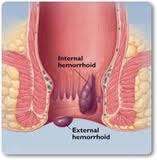
Hemorrhoids (US English) or haemorrhoids are vascular structures in the anal canal which help with stool control. They become pathological or piles when swollen or inflamed. In their physiological state they act as a cushion composed of arterio-venous channels and connective tissue that aid the passage of stool. The symptoms of pathological hemorrhoids depend on the type present. Internal hemorrhoids usually present with painless rectal bleeding while external hemorrhoids present with pain in the area of the anus.
Recommended treatment consists of increasing fiber intake, oral fluids to maintain hydration, NSAID analgesics, sitz baths, and rest. Surgery is reserved for those who fail to improve following these measures.

Classification
There are two types of hemorrhoids, external and internal, which are differentiated via their position with respect to the dentate line.


External
External hemorrhoids are those that occur outside the anal verge (the distal end of the anal canal). Specifically, they are varicosities of the veins draining the territory of the inferior rectal arteries, which are branches of the internal pudendal artery. They are sometimes painful, and often accompanied by swelling and irritation. Itching, although often thought to be a symptom of external hemorrhoids, is more commonly due to skin irritation. External hemorrhoids are prone to thrombosis: if the vein ruptures and/or a blood clot develops, the hemorrhoid becomes a thrombosed hemorrhoid.


Internal
Internal hemorrhoids are those that occur inside the rectum. Specifically, they are varicosities of veins draining the territory of branches of the superior rectal arteries. As this area lacks pain receptors, internal hemorrhoids are usually not painful and most people are not aware that they have them. Internal hemorrhoids, however, may bleed when irritated. Untreated internal hemorrhoids can lead to two severe forms of hemorrhoids: prolapsed and strangulated hemorrhoids. Prolapsed hemorrhoids are internal hemorrhoids that are so distended that they are pushed outside the anus. If the anal sphincter muscle goes into spasm and traps a prolapsed hemorrhoid outside the anal opening, the supply of blood is cut off, and the hemorrhoid becomes a strangulated hemorrhoid.
Internal hemorrhoids can be further graded by the degree of prolapse.
Grade I: No prolapse.
Grade II: Prolapse upon defecation but spontaneously reduce.
Grade III: Prolapse upon defecation and must be manually reduced.
Grade IV: Prolapsed and cannot be manually reduced.

Signs and symptoms
Hemorrhoids usually are present with itching, rectal pain, or rectal bleeding. In most cases, symptoms will resolve within a few days. External hemorrhoids are painful, while internal hemorrhoids usually are not unless they become thrombosed or necrotic.
The most common symptom of internal hemorrhoids is bright red blood covering the stool, a condition known as hematochezia, on toilet paper, or in the toilet bowl. They may protrude through the anus. Symptoms of external hemorrhoids include painful swelling or lump around the anus.


Causes
A number of factors may lead to the formations of hemorrhoids including irregular bowel habits (constipation or diarrhea), exercise, nutrition (low-fiber diet), increased intra-abdominal pressure (prolonged straining), pregnancy, genetics, absence of valves within the hemorrhoidal veins, and aging.
Other factors that can increase the rectal vein pressure resulting in hemorrhoids include obesity and sitting for long periods of time.
During pregnancy, pressure from the fetus on the abdomen and hormonal changes cause the hemorrhoidal vessels to enlarge. Delivery also leads to increased intra-abdominal pressures. Surgical treatment is rarely needed, as symptoms usually resolve post delivery.

Prevention
The best way to prevent hemorrhoids is to keep stools soft so they pass easily, thus decreasing pressure and straining, and to empty bowels as soon as possible after the urge occurs. Exercise, including walking, and increased fiber in the diet help reduce constipation and straining by producing stools that are softer and easier to pass. Spending less time attempting to defecate and avoiding reading while on the toilet have been recommended. Adopting a 'squatting' position to defecate, rather than sitting on a Western-style commode, may also reduce the incidence of piles.

Treatments
Conservative treatment typically consists of increasing dietary fiber, oral fluids to maintain hydration, non-steroidal anti-inflammatory drugs (NSAID)s, sitz baths, and rest. Increased fiber intake has been shown to improve outcomes, and may be achieved by dietary alterations or the consumption of fiber supplements.
While many topical agents and suppositories are available for the treatment of hemorrhoids, there is little evidence to support their use. Preparation H may improve local symptoms, but does not improve the underlying disorder, and long-term use is discouraged due to local irritation of the skin.